
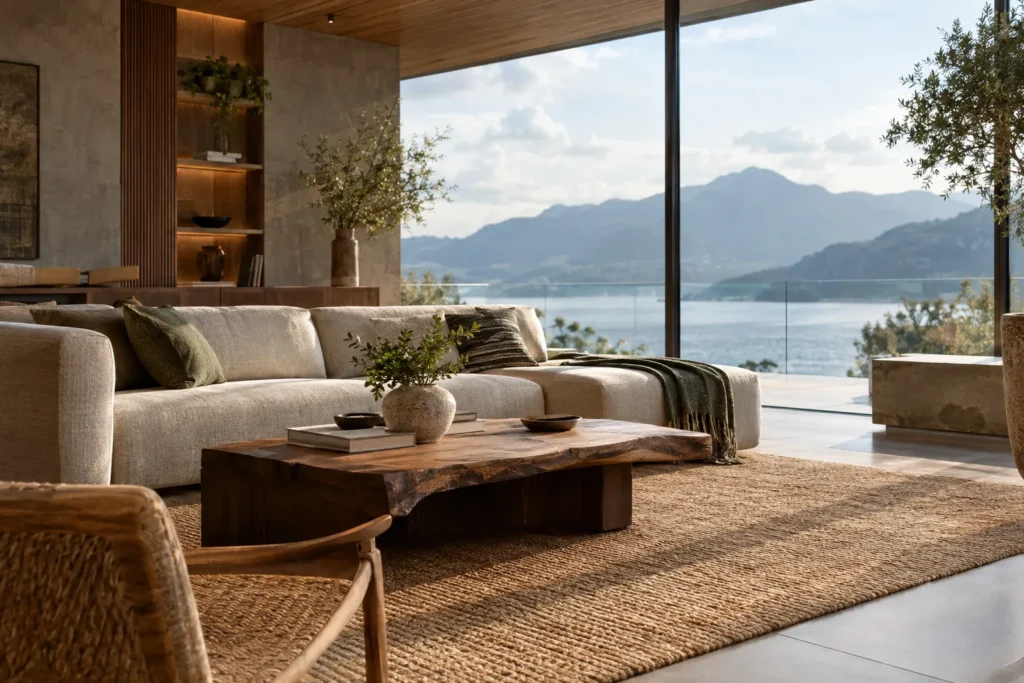
Sustainable Luxury: Materials, Craft and Longevity
Sustainable luxury represents a refined approach to opulence that harmonises environmental responsibility with exquisite materials, masterful craftsmanship, and enduring appeal. This exploration delves deeply into how luxury brands and discerning consumers increasingly prioritise sustainability, embedding ecological mindfulness without compromising on elegance, quality, or heritage value.
What is Sustainable Luxury?
Sustainable luxury integrates eco-conscious materials and ethical practices in the creation of high-end goods, ensuring environmental and social responsibility throughout the lifecycle.
It emphasises durability, skilled craftsmanship, and timeless aesthetics to ensure products endure beyond fleeting trends, thereby reducing waste and resource consumption over time.
- Core Elements
- Materials, Craftsmanship, Longevity
- Key Focus
- Environmental responsibility and ethical integrity in luxury goods
- Common Materials
- Organic fibres, recycled metals, responsibly sourced leather, bio-engineered textiles
- Craft Techniques
- Hand-stitching, slow production, heritage handcraft methods, fair labour practices
Defining Sustainable Luxury: A New Paradigm for Opulence
In a global context where environmental challenges and social consciousness increasingly shape consumer expectations, sustainable luxury reimagines traditional opulence. This paradigm embeds environmental stewardship, social responsibility, and refined design into every stage of creation and acquisition, fostering a harmonious balance between exquisite quality and ethical mindfulness.
Luxury Redefined for the Contemporary Era
Historically, luxury was often associated with extravagance and exclusivity without explicit regard for environmental or social impact. Today, sustainable luxury evolves this notion into a thoughtful abundance, where quality, provenance, and impact shape value. Beyond aesthetics, it demands that products contribute to a healthier planet and equitable societies, honouring craftsmanship and materials that conserve resources and respect labour.
- Combines ecological awareness with premium, enduring design
- Meets stringent ethical sourcing and production requirements
- Prioritises reducing environmental footprints and fostering social equity
Shifting Consumer Values and Expectations
Today's luxury consumers seek transparency, authenticity, and responsibility alongside beauty and exclusivity. They value brands that articulate clear sustainability commitments and demonstrate measurable impacts. This shift reflects a broader cultural movement towards mindful consumption and accountability, encouraging long-term relationships with products that tell compelling stories about their creation and contribution to sustainability goals.
- Demand for verified provenance and sustainable materials
- Preference for brands with credible sustainability credentials and certifications
- Growing interest in product longevity and repairability to extend value
The Role of Materials: From Ethical Sourcing to Timeless Statements
Materials form the core of sustainable luxury, dictating not only visual appeal and texture but also the environmental footprint and social implications of the product. Luxury brands are increasingly scrutinising raw material sources, prioritising renewability, biodegradability, recyclability, and ethical harvesting practices. This section examines the spectrum of materials that underpin sustainable luxury, highlighting their ecological and aesthetic attributes.
Natural and Renewable Fibre Choices
Natural fibres such as organic cotton, linen, hemp, and responsibly managed wool embody sustainability through their renewability and biodegradability. Organic farming standards ensure cultivation without synthetic pesticides or fertilisers, reducing soil and water pollution. Additionally, these fibres often require less water and energy in processing, contributing to lower carbon footprints. Their textures and finishes provide authentic luxury aesthetics prized for comfort and longevity.
- Organic farming prevents harmful chemical runoff and protects ecosystems
- Lower water consumption compared to conventional fibres
- Enhanced biodegradability reduces landfill impact
- Supports biodiversity by eschewing monoculture techniques
- Natural fibres offer breathability and comfort valued in luxury textiles
- Sourcing from farms practising rotational grazing sustains soil health
Innovative, Recycled and Bio-based Materials
Complementing natural fibres, innovative materials such as recycled metals including gold and silver, upcycled leather, and bio-engineered textiles introduce well-designed solutions to luxury sustainability. Recycled metals reduce the environmental hazards of mining, while upcycled leather repurposes offcuts and waste without compromising quality. Bio-based synthetics offer alternatives to petrochemical derivatives, designed for durability and lower ecological footprints. These materials align with circular economy principles, transforming waste streams into premium resources.
- Recycled gold and silver diminish mining-related environmental degradation
- Upcycled leather reduces landfill waste and utilises existing materials
- Bio-engineered textiles from renewable sources minimise reliance on fossil fuels
- Exploration of lab-grown diamond alternatives reduces ecological impact
- Biodegradable glues and dyes complement sustainable material use
- Advanced textiles incorporate natural antimicrobial properties to extend product life
Artisan Craft: Elevating Sustainability through Skill, Heritage and Ethical Labour
Craftsmanship in sustainable luxury combines technical excellence with ethical considerations, advocating slow production methods that protect artisan livelihoods and preserve cultural heritage. Skilled artisans apply traditional techniques that use fewer mechanical processes, reducing energy use and enabling quality control that extends product life. Simultaneously, fair labour standards ensure respectful working conditions, reflecting sustainable luxury's commitment to human dignity.
The Value and Impact of Slow Production
Slow production rejects the disposable nature of fast manufacturing in favour of deliberate creation processes that emphasise quality, precision, and environmental mindfulness. This approach minimises material waste and energy consumption while fostering individual craftsmanship. Each product embraces uniqueness and longevity, avoiding mass-produced uniformity. This methodology not only benefits the environment but also cultivates a deeper relationship between creator and consumer.
- Lower environmental footprints through measured resource use
- Support and revitalisation of artisan communities
- Encouragement of product individuality and bespoke detailing
- Facilitates maintenance of traditional handcraft skills at risk from industrialisation
- Enables transparency in materials sourcing and production timelines
- Promotes circular economy principles through thoughtful resource allocation
Transparency and Fair Labour Practices
Ethical production in sustainable luxury requires transparent supply chains and verifiable labour standards, including fair wages, safe working environments, and respect for workers’ rights. Brands increasingly obtain certifications and collaborate with fair trade organisations to guarantee compliance. This transparency enhances accountability and reassures consumers that their purchases uphold social justice as well as sustainability.
- Certified workshops and factories adhering to labour laws
- Partnerships with fair trade and artisan cooperatives
- Enhanced consumer trust through open reporting and audits
- Investment in worker education and skill development programmes
- Implementation of health and safety measures exceeding statutory requirements
- Promotion of gender equality and workplace diversity in artisan communities
Designing for Durability, Timeless Appeal and Emotional Value
Longevity in luxury contributes fundamentally to sustainability by reducing consumption cycles and the consequent environmental burden. Superior materials, meticulous construction, and classic aesthetics ensure items remain valued and functional over decades. Moreover, emotional attachment and cultural significance encourage careful stewardship, including maintenance and repair, which prolong product life and avoid premature disposal.
Durability: Engineering Endurance Through Quality
Durability in luxury is achieved through the selection of robust materials and construction methods that withstand daily wear and environmental stress without compromising appearance or function. Techniques such as hand-stitching, reinforced seams, and quality hardware contribute to structural integrity. Ergonomic and timeless designs prevent obsolescence, allowing products to remain fashionable and functional far beyond transitory trends.
- Use of natural fibres and metals designed for longevity
- Classic silhouettes and designs resisting fast-fashion cycles
- Facilitation of cleaning, care, and expert repairs
- Integration of modular components to enable easy replacement
- Employing corrosion-resistant finishes and treatments
- Crafting multi-functional items adapting to evolving user needs
Cultural and Emotional Longevity as Sustainability Drivers
Beyond physical durability, luxury objects often accrue heritage and narrative value that deepen emotional bonds. These items become family heirlooms or personalised bespoke pieces, discouraging disposal and encouraging ongoing use. This emotional investment fosters sustainable consumer behaviour by valuing preservation, restoration, and intergenerational transfer, which underpin the ethos of sustainable luxury.
- Heritage transmission encourages conservation and respect
- Customisation deepens owner attachment and product uniqueness
- Emotional significance reduces product turnover and waste
- Storytelling as a facet of brand heritage builds lasting consumer relationships
- Community engagement events around craftsmanship and restoration
- Encouraging second-life markets and responsible resale platforms
Case Studies: Exemplars of Sustainable Materials, Craft, and Ethical Production
Several leading luxury houses and dedicated artisans exemplify best practices in sustainable luxury, pioneering material innovation, ethical oversight, and heritage craft revival. These exemplars serve as benchmarks, demonstrating how sustainability can be woven seamlessly into luxury’s DNA while influencing consumer expectations and industry standards.
Innovative Use of Materials for Sustainable Luxury
Some luxury brands have incorporated recycled gold and silver into their jewellery lines, maintaining signature aesthetics while adhering to circular economy principles. Others employ cruelty-free and vegan leathers derived from plant bases or lab-grown sources, avoiding animal harm and reducing environmental stress. Collaborations with eco-certified suppliers ensure raw materials and processing meet rigorous sustainability criteria, reinforcing brand integrity and consumer confidence.
- Integration of recycled metals in high-end jewellery
- Use of plant-based, cruelty-free leathers and textiles
- Strategic alliances fostering material certification and traceability
- Pioneering adoption of biodegradable packaging and delivery materials
- Concurrent commitments to carbon neutrality in manufacturing operations
Preserving Craftsmanship and Cultural Heritage
Artisan workshops utilising centuries-old handcraft techniques such as embroidery, weaving, and finishing exemplify sustainability by limiting automation and energy-intensive production. These practices uphold slow fashion principles and enhance cultural preservation, generating employment that supports communities and encourages environmentally mindful lifestyles. This symbiosis of tradition and sustainability conveys authentic, enduring luxury that transcends mass production.
- Hand embroidery and finishing conserving traditional skills
- Slow fashion ethos reducing waste and overproduction
- Cultural heritage preservation through artisan empowerment
- Collaborative projects with museums and cultural institutions
- Apprenticeship programmes sustaining skill transmission
- Promotion of regional identity and craftsmanship in design language
Incorporating Sustainable Luxury into Daily Living and Broader Practices
Sustainable luxury extends beyond individual products into lifestyle choices that mirror ecological awareness and ethical responsibility. This holistic integration promotes mindful consumption habits, conscientious service selections, and thoughtful experiences aligned with sustainability principles, encouraging consumers to embody these values continually.
Practicing Mindful Consumption in Luxury
Mindful consumption advocates for investing in fewer, superior-quality pieces selected for timelessness and durability. Emphasising product care and repair over replacement nurtures longer use cycles and reduces environmental pressures. Consumers are encouraged to engage critically with brands, prioritising transparently sustainable offerings that align with their values. This shift transforms purchasing into a deliberate, values-driven experience.
- Investment in classic, high-quality items that transcend trends
- Emphasis on maintenance, repair services, and product longevity
- Support for brands with open sustainability reporting and certifications
- Engagement in second-hand luxury markets to extend product life
- Adoption of leasing and rental models to maximise usage efficiency
Sustainable Travel and Transport within the Luxury Sector
Luxury travel choices mindful of environmental impacts encompass selecting providers who prioritise efficiency, emissions reduction, and ethical operations. For example, luxury chauffeured travel services may implement vehicle efficiency standards and offset emissions while offering refined comfort. Selecting sustainable itineraries promotes eco-tourism and cultural respect, aligning leisure activities with environmental stewardship and social responsibility.
- Choosing transport providers minimising carbon footprints
- Engaging with responsible travel operators committed to sustainability
- Planning trips that respect local ecosystems and communities
- Utilising carbon offset programmes aligned with verified standards
- Preferring accommodations with eco-certifications and sustainable policies
Navigating Sustainability Challenges and Advancing Innovation in Luxury
While sustainable luxury enjoys growing momentum, it encounters challenges including material sourcing complexity, consumer education gaps, and balancing exclusivity with accessibility. Addressing these issues spurs valuable innovation and paves new avenues for luxury culture that harmonise exclusivity with planetary health and social progress.
Complexities in Material Sourcing and Supply Chains
Ensuring authentic sustainability involves rigorous tracking and verification of material provenance, environmental practices, and labour standards. Global luxury supply chains fluctuate across regions with varying regulations, complicating transparency efforts. Brands invest in blockchain technologies, certifications, and local partnerships to enhance traceability and reduce ecological footprints throughout logistics and manufacturing stages.
- Implementing systems to verify origins and certifications
- Optimising supply chains to lower environmental impacts
- Ensuring consistent ethical procurement and production standards globally
- Supporting localised supplier networks to reduce transportation emissions
- Collaborating with NGOs to monitor supply chain social impact
Enhancing Consumer Awareness and Education
Educating consumers on sustainable luxury's values, processes, and benefits empowers informed decision-making, strengthening demand for responsible practices. Brands deploy storytelling, transparency reports, and interactive initiatives to communicate sustainability narratives effectively. This engagement cultivates a community around responsible luxury consumption, fostering collective progress toward more sustainable economies.
- Transparent communication through accessible sustainability reporting
- Educational campaigns and brand storytelling highlighting craftsmanship and ethics
- Active consumer engagement in sustainability dialogues
- Collaborations with influencers and thought leaders to amplify messages
- Hosting events and experiences focused on sustainability themes
Planning and Decision-Making in Sustainable Luxury
Integrating sustainable practices into the luxury sector requires strategic decision-making at every stage of product development, from selecting raw materials to considering end-of-life options. Consumers and brands alike make planning choices that balance exclusivity, quality, and ecological responsibility. For instance, opting for materials with lower environmental footprints may involve sourcing from certified organic farms or verified recycling programs, which ensures transparency and traceability within supply chains. This not only reinforces brand integrity but also aligns with consumer demands for provenance and ethical assurance.
Brands often embrace slow production methods, deliberately scheduling limited quantities and incorporating artisanal skills to maintain exclusivity while reducing waste. This approach minimizes overproduction and fosters unique, high-value pieces that carry narratives and cultural significance. In terms of design, creating timeless aesthetics and modular components facilitates repairability and adaptability, extending product lifespans beyond transient trends. Such planning also supports circular economy principles by enabling products to be disassembled and recycled or refurbished.
Ethical labour considerations influence planning decisions as well. Partnering with certified workshops or artisan cooperatives ensures fair wages and safe working conditions, which enhances social equity. Investment in worker training and skill transmission contributes to sustaining craftsmanship heritage, further enriching product stories and consumer appreciation. Additionally, incorporating responsible packaging and logistics—such as biodegradable materials and carbon offsetting practices in transport—complements the sustainability ethos throughout the luxury experience.
Sustainable Luxury Materials Craft and Longevity FAQs
What defines sustainable luxury?
Sustainable luxury integrates high-quality, eco-conscious materials, skilled and ethical craftsmanship, and designs intended for durability and timeless appeal, reducing environmental impact and fostering responsible consumption.
Why are materials so important in sustainable luxury?
Materials determine both the ecological footprint and ethical implications of production. Sustainable luxury selects renewable, recyclable or biodegradable resources sourced responsibly to ensure minimal environmental harm and social responsibility.
How does craftsmanship contribute to sustainability?
Craftsmanship ensures superior quality that prolongs product life, employs ethical labour practices, and preserves traditional skills that reduce waste and reliance on mass-production methods.
What role does longevity play in sustainable luxury?
Longevity reduces the frequency of replacement, lowering waste and resource use. Durable, timeless designs that support repair and emotional attachment help maintain environmental and economic sustainability.
Can luxury and sustainability truly coexist?
Yes, sustainable luxury demonstrates that elegance and environmental and social responsibility can coexist by valuing quality, provenance, and ethics alongside beauty and exclusivity.
How can consumers support sustainable luxury?
Consumers can support sustainable luxury by choosing brands with transparent sourcing policies, investing in well-crafted durable products, maintaining their goods carefully, and promoting repair and reuse.
What is Sustainable Luxury?
Sustainable luxury integrates eco-conscious materials and ethical practices in the creation of high-end goods, ensuring environmental and social responsibility throughout the lifecycle.
Sources and references
How to assess a luxury material claim before buying
A material label is a starting point, not a complete sustainability assessment. When comparing two products, look for information about where the material came from, how it was processed, and whether the supplier or material claim can be verified. A renewable fibre, recycled metal or bio-based textile may be a thoughtful choice, but the label alone does not explain the whole supply chain or the working conditions involved.
Ask the brand to distinguish between a specific, traceable claim and a broad description. For example, seek clarification about which component is recycled or certified, whether the claim applies to the whole product or only part of it, and what evidence is available. Clear answers make it easier to compare like with like; vague statements do not establish that one item has a lower impact than another.
Also consider the product’s intended use. A material that suits a rarely used decorative object may not be the best choice for something handled daily if it is difficult to maintain or repair. Evaluate provenance, expected use, construction and end-of-life options together rather than treating a single material attribute as decisive. If information is incomplete, record what is confirmed and what remains unknown before deciding.
How to compare natural, recycled and alternative materials
Material comparisons are most useful when they acknowledge trade-offs. Natural fibres can offer comfort and appeal, while recycled or upcycled inputs can make use of existing resources. Neither category automatically answers every question about durability, sourcing or care. The relevant comparison depends on the specific material, how it was made, the quality of construction and how long the item is likely to remain useful to its owner.
For a textile, consider whether its feel and performance suit the intended setting, and check what care it requires. For a metal item, ask whether the recycled content applies to the component being purchased and whether the maker can explain its provenance. For an alternative leather or bio-based material, seek information about its composition and repair options rather than relying on a label such as ‘plant-based’ to imply that every environmental or practical concern has been resolved.
A sensible decision process is to compare the same features across candidates: source evidence, construction, expected use, maintenance, repairability and possible reuse. If one option has stronger documentation but another appears better suited to long-term use, weigh those factors openly. The purpose is not to declare a universal winner, but to choose with a clear understanding of what is known and which compromises matter most to you.
A pre-purchase check for construction and repairability
Before buying an item intended for regular use, inspect the parts most likely to experience strain. Look for even seams, secure joins, stable fastenings and hardware that feels integrated rather than easily detached. These visible details cannot guarantee a particular lifespan, but they can help you assess whether construction appears considered and whether the object may be serviceable if a component wears out.
Ask the maker or retailer what can be repaired and how that work is arranged. Useful questions include whether a damaged seam, fastening or modular component can be addressed separately; whether the product can be returned for repair; and whether replacement parts or care guidance are available. A design with replaceable components can be easier to maintain, but only if the parts and repair route are realistically accessible to the owner.
Think about the cost of ownership in practical terms, not just the purchase decision: will you know how to care for it, can you store it appropriately, and would you seek repair rather than discard it after minor damage? If the answer is uncertain, get the relevant details before purchase. Durable construction and repair support reinforce one another; excellent workmanship is less useful to longevity when the item cannot be maintained.
A practical routine for caring for long-lived pieces
A basic care plan starts with the product’s own instructions. Read the maker’s guidance before cleaning, treating or storing an item, and avoid assuming that two products made from similar-looking materials need identical care. If instructions are missing or unclear, ask the maker or a qualified repair professional before trying a treatment that could change the material or finish.
Build maintenance into ordinary use rather than waiting for serious damage. Check items periodically for loose fastenings, worn areas or small faults, and address them while they are manageable. Keep any care instructions and repair information with the product so that another household member, future owner or repairer can understand what has already been done. For a piece used seasonally, check its condition before putting it back into use.
Care is also a decision about restraint. Cleaning or conditioning more often than recommended may not help, and an unfamiliar product or method can be unsuitable. Follow product-specific advice, use repair when appropriate, and keep a record of professional work. Regular, suitable maintenance can support continued use, but it does not make every object indestructible; the aim is to respond thoughtfully to wear rather than replace an item automatically.
Questions that make provenance and certification more meaningful
Provenance is useful when it helps a buyer understand a product’s path from material source to finished item. Look for information that identifies the relevant material or production stage, explains what has been checked, and makes clear who is responsible for the claim. A supply-chain statement is more useful when it distinguishes verified details from aspirations or future commitments.
When a certification is mentioned, find out what it covers. Does it relate to a particular fibre, a workshop, a process or the full product? Is the claim current and independently checked, or is the brand describing its own standard? These questions are not an accusation; they help establish how much of the product’s history the evidence actually addresses. The article’s emphasis on reporting, audits and traceability makes these distinctions central to informed evaluation.
A concise set of questions can make the conversation practical: Where was the main material sourced? What does the certification or audit cover? Can the brand explain the labour standards applied to the workshop? What happens when a supplier changes? If the response is incomplete, consider whether the missing information changes your decision. Prefer clear, bounded explanations over broad promises, and avoid treating one certificate as proof that every environmental and social issue has been resolved.
When to buy new, choose pre-owned or use an access model
Choosing fewer items can reduce unnecessary purchasing, but the right approach depends on how often an object will be used and whether ownership is important. Before purchasing, consider whether an existing item already serves the same purpose, whether the new piece will fit your routines, and whether its material and construction are appropriate for that use. A beautifully made object that is rarely used may not be a better choice simply because it is durable.
For occasional needs, second-hand purchase, rental or leasing can be worth considering where suitable options exist. These approaches may extend the use of existing goods or allow an item to serve more than one owner. Compare them with buying new by asking about condition, care history, access when needed and what happens after use. The most appropriate route is the one that provides the needed function without encouraging avoidable duplication.
If buying new, think beyond immediate appeal. Consider whether the design feels likely to remain useful to you, whether it can be repaired, and whether the maker provides care information. If buying pre-owned, inspect condition and ask what is known about prior repairs. If renting, understand the practical arrangement before relying on the item. These steps turn ‘mindful consumption’ into a concrete decision rather than a general intention.
Choosing sustainable materials for an interior
The same material questions apply to luxury interiors, but the intended setting matters. A textile for occasional decoration may face different wear and cleaning demands from one used every day. Before selecting a fibre or finish, identify how the item will be used, who will handle it, and what level of maintenance is realistic. This helps avoid choosing a material for its sustainability description or appearance alone.
Request information about the material’s source and composition, and check the care instructions before committing. For furnishings or decorative pieces, ask whether covers or components can be maintained or repaired separately, and whether a specialist is needed. Where the supplier offers several material options, compare them on the same criteria: sourcing evidence, suitability for the space, care demands, construction and prospects for continued use.
An interior decision also benefits from planning for change. Consider whether the piece can move to another room or household, be reupholstered or repaired, or be passed on if the original arrangement changes. Do not assume every item can be adapted; confirm what is practical for that product. Choosing for the actual room and routine, then keeping care and provenance details, can help a well-made object remain useful beyond a short-lived decorative trend.
Planning for an item’s second life from the outset
A useful way to think about longevity is to separate physical endurance from continued usefulness. An item may be well constructed yet stop meeting its owner’s needs; another may be repaired and remain useful for years. At the selection stage, consider both: whether the materials and construction appear robust, and whether the design is suited to the way you expect to use it.
Classic styling can help an object avoid feeling tied to a brief trend, but ‘timeless’ is ultimately a personal judgment. Focus on the qualities that are likely to matter in your own life: fit, function, comfort, versatility and ease of care. Customisation or a meaningful connection to the maker may strengthen attachment, but these qualities are most valuable when the item is also practical enough to keep using.
Plan a possible next step before an item reaches the end of its first use. Depending on its condition, that might mean repair, passing it on, resale or responsible recycling. These routes are not interchangeable: a product needs to be suitable for the chosen option, and recycling should not be assumed to be available for every material combination. Keeping purchase, care and repair information can make later decisions easier and help avoid treating disposal as the only response to change.
Look beyond the main material when comparing an item
A product’s headline material is only one part of its material system. A natural or recycled main fabric may be combined with linings, coatings, thread, fastenings, dyes or adhesives, and those parts can affect how the item wears, is maintained and can be separated at end of use. Ask for the composition of the parts that matter to performance, not only the most prominent component.
For a mixed-material item, find out whether the different parts can be repaired or replaced independently. If a worn lining, clasp or cover means the whole object must be discarded, the main material’s durability may not translate into a long useful life. This is not a reason to reject every composite product: compare its function and construction with realistic alternatives, and favour clear answers about care and repair over a broad material label.
Relate construction quality to the intended use
Craft quality is best assessed in relation to how an object will be used. A bag carried daily faces different stresses from an occasional-use piece; a textile exposed to frequent handling needs different performance from a decorative one. Consider likely points of strain, such as joins, closures, edges or moving parts, and check whether the finish looks even and the components feel securely attached. These observations cannot predict an exact lifespan, but they help distinguish construction suited to regular use from details valued mainly for appearance.
Match that inspection to the maker’s repair options. Ask which parts are serviceable, whether repairs require specialist skills, and what information a repairer would need. A finely made object can still be inconvenient to maintain if its construction is difficult to access. The useful comparison is therefore not simply handmade versus machine-made, but whether the method and design support the kind of use and upkeep you can realistically provide.
Keep useful records for care and repair
A simple record can make long-term care more informed. Keep the product’s care instructions and available details about its material composition and provenance together with receipts or other purchase documentation. If the item is repaired, note what was addressed and retain any care guidance supplied by the person who carried out the work. This makes it easier to distinguish a material limitation from a maintenance issue and to explain the item’s history if it later needs further attention.
Use the record as a guide, not as a substitute for product-specific advice. Before cleaning, conditioning or arranging a repair, check the maker’s instructions and ask a suitable specialist when the material or finish is uncertain. This cautious approach can prevent an unnecessary treatment from creating damage, while periodic checks help identify small faults before they become harder to address.
Balance personalisation with future usefulness
Personalisation and bespoke detailing can make an object feel more meaningful, but they do not automatically make it a lasting choice. Before commissioning or selecting a customised piece, consider whether the dimensions, colour, configuration and function will continue to fit your routines. A distinctive detail may strengthen attachment; a feature that restricts practical use may instead shorten the period in which the item remains useful.
Ask which choices are fixed and which can be adapted later, where that information is available. The goal is not to remove individuality, but to balance it with versatility and repairability. A piece is more likely to earn a long place in daily life when its personal character supports—not competes with—its intended function.
Embracing Sustainable Luxury for a Thoughtful Future
Sustainable luxury offers a path to harmonise elegance with responsibility, encouraging a positive shift in how we create, cherish, and consume luxury in our lives. Related information and services: Chauffeur Services For Paris Fashion Week Via London, Chauffeur Services for Paris Fashion Week via London Arrivals, London Fashion Week Chauffeur Service, Long Distance Chauffeur Service Across the UK.
Article reviewed and updated October 12, 2026.
UK Direct ChauffeursCircular Economy and Recycling in Sustainable Luxury
The circular economy is gaining traction within sustainable luxury as a vital framework to reduce environmental impact and resource depletion. Luxury brands are pioneering strategies that prioritise reuse, recycling, and upcycling of materials to extend product lifecycles and minimise waste. Examples include the integration of recycled metals such as gold and silver in jewellery collections, reducing the ecological damage associated with mining. Upcycled leather uses offcuts or pre-existing materials to create new products, maintaining high standards of quality and aesthetics without additional environmental burdens. Furthermore, some brands collaborate with suppliers certified under rigorous sustainability criteria, ensuring transparency and responsible sourcing throughout the supply chain. This model advances resource efficiency and fosters a regenerative approach to luxury by closing material loops and promoting longevity.
Consumer Education and Transparency in Sustainable Luxury
Educating consumers is crucial to advancing sustainable luxury practices. As consumers increasingly seek authenticity and responsibility, brands are responding by providing transparent information about sourcing, production methods, and sustainability credentials. Through detailed sustainability reports, storytelling initiatives, and interactive campaigns, luxury houses raise awareness about the environmental and social dimensions of their products. These efforts empower consumers to make informed choices aligned with their values, fostering a culture of mindful consumption. Additional measures include verification of certifications, open audits, and collaborative engagement with influencers and thought leaders to disseminate credible information. Consumer transparency not only builds trust but also encourages accountability across the luxury supply chain, strengthening the overall impact of sustainability initiatives.
Sustainable Materials in Luxury Interior Design
Sustainability in luxury extends beyond fashion products into the realm of interior design, where eco-friendly materials are redefining high-end living spaces. Designers are increasingly incorporating natural, renewable fibres like organic hemp, linen, and wool alongside innovative bio-based textiles that reduce environmental impact. Sustainable luxury interiors also embrace handcrafted décor elements made with traditional techniques such as black pottery and hand embroidery, conserving cultural heritage while limiting industrial resource use. Recycled and responsibly sourced woods, metals, and natural stone feature prominently, often paired with non-toxic finishes and biodegradable adhesives. This approach not only elevates interior aesthetics but aligns the entire living environment with principles of environmental stewardship and ethical production.

